

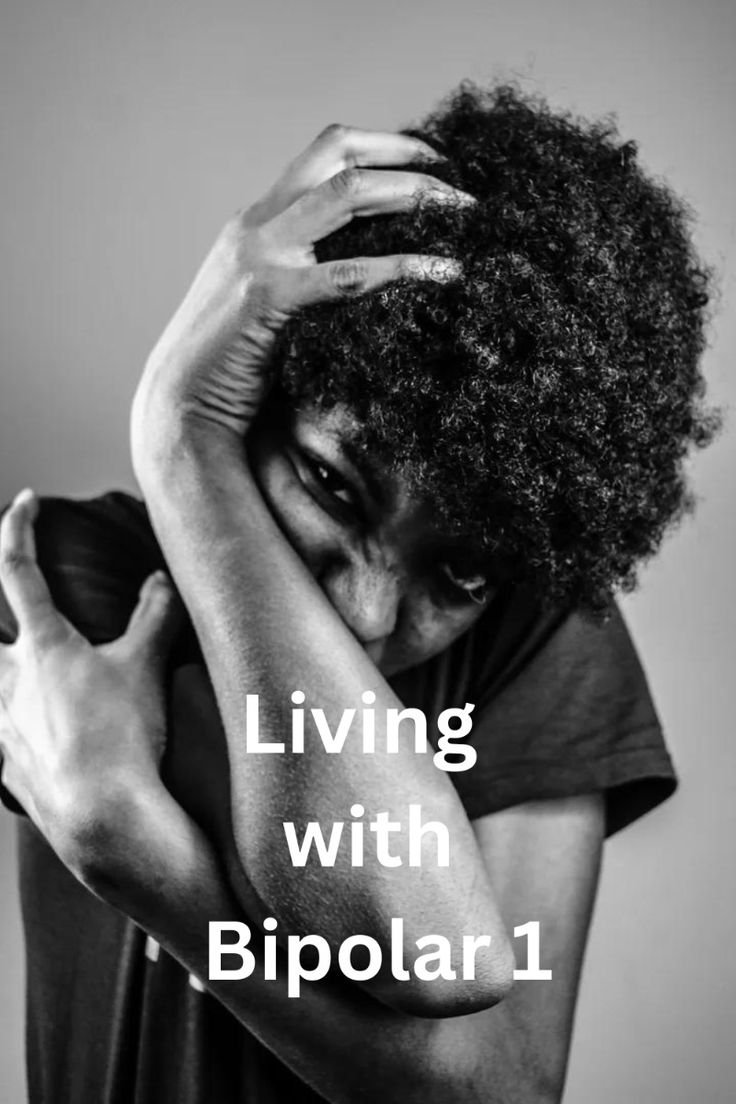
Sadness and low moods are part of being human. Everyone has bad weeks, grieves losses, and goes through stretches that feel heavier than others. But there’s a meaningful difference between a normal emotional response to life and a mood disorder that needs medical attention. Here’s how to tell the two apart, and what steps to take if you think it’s time to reach out for help.
Where Normal Sadness Ends and Depression Begins
Sadness sits on a spectrum. On one end is the everyday low mood that comes and goes with life’s ups and downs. On the other end is major depression — a persistent, brain-based condition that doesn’t resolve on its own the way ordinary sadness does. A few signs sadness has moved into pathological territory:
- It’s disproportionate to what’s actually happening, or seemingly unrelated to any identifiable event
- It’s sustained over a significant period rather than lifting naturally
- It disrupts your ability to function — at work, school, socially, or at home
- It comes with physical changes: altered sleep, appetite, self-care, or sexual functioning
Common Mood Disorders
- Major depressive disorder (MDD) — a persistent disturbance in mood involving emotional, cognitive, and physical symptoms severe enough to interfere with daily functioning and goal attainment.
- Persistent depressive disorder (dysthymia) — a lower-grade but longer-lasting form of depression. Because symptoms are less acute, this condition often goes unrecognized and untreated for years.
- Grief and bereavement — a normal response to loss that can sometimes tip into something more complicated. Unlike depression, grief typically preserves a person’s sense of self-worth, even amid intense pain.
- Bipolar disorder — a mood disorder involving episodes of depression alternating with mania or hypomania (elevated, expansive, or irritable mood, increased energy, and impulsive behavior).
- Cyclothymic disorder — a chronic pattern of mood swings involving milder hypomanic and depressive symptoms than full bipolar disorder, but persistent over time.
Recognizing Depression
Common signs include persistent low mood, loss of interest in activities once enjoyed, fatigue, difficulty concentrating, changes in appetite or weight, sleep disturbances, feelings of worthlessness or guilt, and in more severe cases, thoughts of death or suicide.
Recognizing Mania or Hypomania
Signs of a manic or hypomanic episode include an unusually elevated, expansive, or irritable mood lasting at least several days; a reduced need for sleep without feeling tired; inflated self-esteem or grandiosity; racing thoughts; increased goal-directed activity; and impulsive, high-risk behavior such as unrestrained spending, risky sexual decisions, or reckless business or financial choices.
How to Approach Getting Help
- Pay attention to duration and pattern, not just how you feel on a given day. A few sentence-length notes about your mood, sleep, and energy over a couple of weeks can reveal patterns you might not notice day to day.
- Distinguish grief from depression when a loss is involved. Grief tends to come in waves and coexist with positive memories and moments of relief, while depression tends to be more pervasive and unrelenting.
- Watch for mood episodes in both directions. If you or a loved one has noticed both low periods and unusually high, energetic, or irritable stretches, mention both to a provider — this distinction matters for diagnosis and treatment.
- Rule out other contributing factors. Thyroid problems, certain medications, chronic illness, and substance use can all affect mood, so a thorough evaluation looks beyond symptoms alone.
- Schedule an evaluation with a psychiatric provider. A clinician will review your history, current symptoms, and any family history of mood disorders to determine the most accurate diagnosis and treatment plan.
- Discuss treatment options. Depending on the diagnosis, treatment may include therapy, medication, lifestyle changes, or advanced options like TMS for depression that hasn’t responded to standard treatment.
Reasons to Seek Medical Attention
Reach out to a provider if you notice:
- Low mood, loss of interest, or hopelessness that persists for more than two weeks
- Noticeable changes in sleep, appetite, energy, or concentration that are affecting your daily life
- Difficulty functioning at work, school, or in relationships because of your mood
- Periods of unusually high energy, reduced need for sleep, or impulsive decision-making, especially if these episodes alternate with depressive periods
- Grief that isn’t easing over time, or that comes with a loss of self-worth rather than just sadness
- Using alcohol or other substances to cope with low mood or emotional pain
- A family history of depression or bipolar disorder combined with your own emerging symptoms
If you or someone you know is having thoughts of suicide or self-harm, that requires immediate attention — please reach out to a mental health professional or emergency services right away rather than waiting to see if it passes.
Mood Disorders Are Treatable
Depression and bipolar disorder are among the most common psychiatric conditions, and also among the most treatable once properly diagnosed. Many people live with symptoms for years before seeking help, often assuming it’s just their personality or a phase. If what’s described here sounds familiar, that’s a reasonable and often relieving reason to schedule an evaluation.
This article is for informational purposes only and is not a substitute for professional medical advice, diagnosis, or treatment. Always consult a qualified healthcare provider with questions about your specific condition or treatment options.