

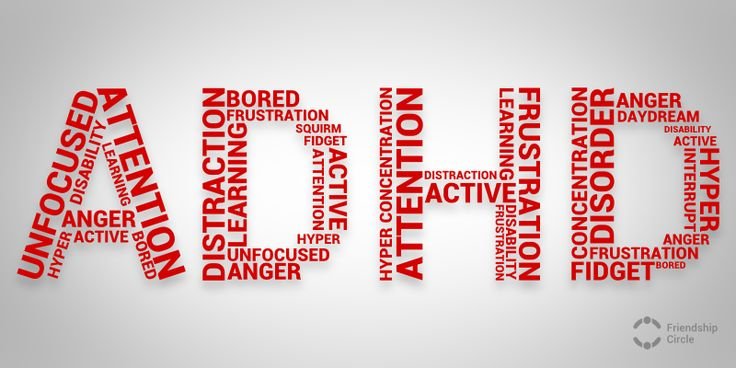
Attention-deficit/hyperactivity disorder (ADHD) is one of the most common — and most misunderstood — conditions we treat. It’s often dismissed as “just being distracted” or “having a lot of energy,” but for people who actually have it, ADHD can quietly shape everything from school performance to careers to relationships. Here’s how to recognize it and what steps to take if you suspect you or your child might have it.
What ADHD Actually Is
ADHD is a neurodevelopmental condition marked by an ongoing pattern of inattention, hyperactivity, impulsivity, or a combination of the three, severe enough to interfere with daily functioning. It isn’t a character flaw, a discipline problem, or a lack of intelligence — it’s a difference in how the brain regulates attention, activity level, and impulse control.
There are three recognized presentations:
- Predominantly inattentive — difficulty focusing, organizing, and following through, without much hyperactivity
- Predominantly hyperactive-impulsive — restlessness, impulsive decisions, and difficulty staying still or quiet
- Combined type — a mix of both inattentive and hyperactive-impulsive symptoms
Common Signs to Watch For
Inattention
- Making careless mistakes or missing details in schoolwork or job tasks
- Trouble staying focused during conversations, reading, or lectures
- Appearing not to listen, even when spoken to directly
- Starting tasks but losing steam and drifting off-topic
- Chronic disorganization, missed deadlines, or lost items (keys, phone, paperwork)
- Avoiding tasks that require sustained concentration
- Being easily distracted or noticeably forgetful in everyday routines
Hyperactivity and Impulsivity
- Fidgeting, squirming, or an inability to stay seated when expected
- Feeling constantly “on the go” or restless (in adults, this often shows up as inner restlessness rather than visible hyperactivity)
- Talking excessively or blurting out answers before a question is finished
- Difficulty waiting for a turn
- Interrupting or intruding on others’ conversations or activities
How to Approach Getting an Evaluation
- Track patterns over time. Because a diagnosis depends on symptoms being long-standing and present in more than one setting, it helps to jot down specific examples — at home, school, or work — over a few weeks.
- Note when symptoms started. A key diagnostic detail is that ADHD symptoms are present from childhood, even if a diagnosis comes later in life. Try to recall or ask family members about attention or activity patterns before age 12.
- Rule out overlapping causes. Sleep problems, anxiety, depression, thyroid issues, and chronic stress can all produce ADHD-like symptoms, which is why a proper evaluation involves more than a quick checklist.
- Schedule a comprehensive evaluation. A clinician will typically review developmental history, gather input from parents, teachers, or partners when relevant, and use standardized rating scales alongside a clinical interview.
- Discuss a treatment plan if diagnosed. Options often include behavioral strategies, coaching or therapy, classroom or workplace accommodations, and medication — used alone or in combination based on your needs.
Reasons to Seek Medical Attention
Consider scheduling an evaluation if you notice:
- Symptoms interfering with school, work, or relationships — not just occasional distraction, but a consistent pattern that’s affecting performance or connection with others.
- A child struggling academically or socially despite adequate support, especially if teachers report ongoing focus or behavior concerns.
- A history of underachievement relative to ability — bright students or employees who consistently underperform due to disorganization or missed follow-through.
- Adults with a pattern of unfinished projects, job changes, or relationship strain tied to forgetfulness, impulsivity, or trouble focusing.
- Emotional impact, such as low self-esteem, frustration, or anxiety that has built up around repeated struggles with attention or organization.
- Symptoms that persist across multiple settings — home, school, work, and social situations — rather than showing up in just one context.
It’s worth noting that stress, poor sleep, and mood disorders can mimic ADHD, so self-diagnosing from a list of symptoms isn’t a substitute for a professional evaluation. A trained clinician can sort out what’s actually driving the symptoms and recommend the right next step.
Moving Forward
ADHD is highly manageable once properly identified. Many people spend years attributing their struggles to personal failure before realizing there’s a clear, treatable explanation. If the patterns above sound familiar — for yourself or your child — reaching out for an evaluation is a reasonable and often relieving first step.
This article is for informational purposes only and is not a substitute for professional medical advice, diagnosis, or treatment. Always consult a qualified healthcare provider with questions about your specific condition or treatment options.